If you’re looking for dietary advice related to asthma, it’s essential to consult with Mookgo a registered dietitian. She can provide personalized recommendations based on your specific needs and health status. However, here are some general dietary tips that may help manage asthma symptoms:
Anti-Inflammatory Foods: Incorporate foods rich in omega-3 fatty acids (like fatty fish, walnuts, and flaxseeds), fruits, and vegetables, which can help reduce inflammation in the body.
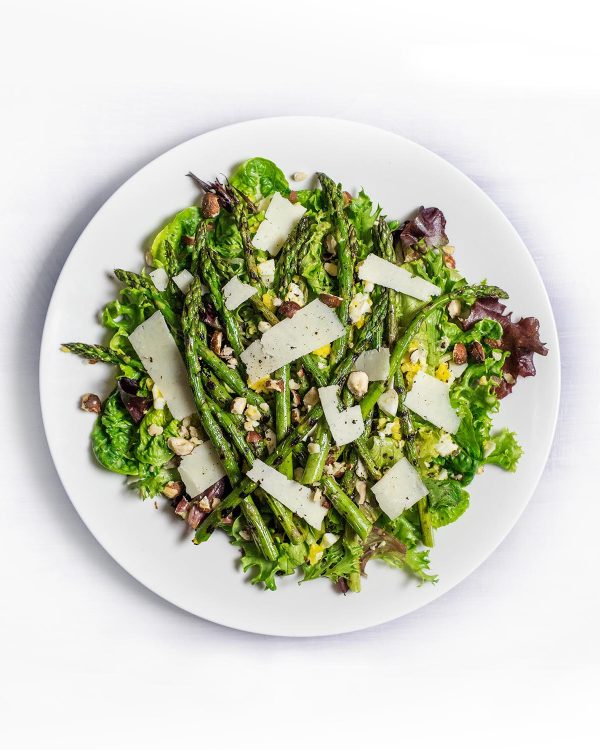
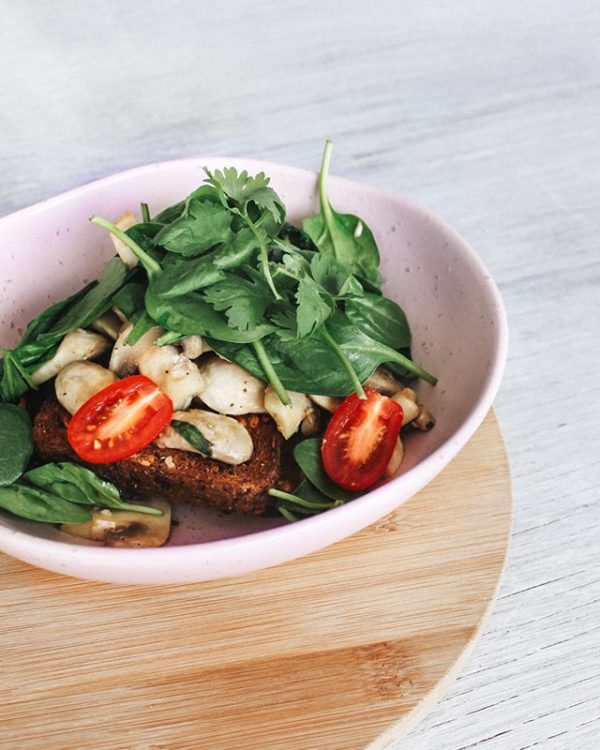
Antioxidant-Rich Foods: Foods high in antioxidants, such as berries, nuts, and leafy greens, may help protect lung function.
Avoid Allergens: Identify and avoid foods that trigger your asthma symptoms. Common allergens include dairy, eggs, peanuts, and shellfish.
Maintain a Healthy Weight: Being overweight can exacerbate asthma symptoms. Focus on a balanced diet to help maintain a healthy weight.
Stay Hydrated: Drinking plenty of water helps thin mucus in the airways, making it easier to breathe.
Limit Processed Foods: Processed and sugary foods can increase inflammation, so it’s best to limit their intake.
Moderate Salt Intake: High sodium levels can affect lung function, so consider reducing your salt intake.
Consider Vitamin D: Some studies suggest that vitamin D deficiency may be linked to asthma severity. Foods rich in vitamin D include fatty fish, fortified dairy products, and egg yolks.
If you have specific concerns or symptoms, it’s best to speak with Mookgo who specializes in respiratory health or asthma management. She can help tailor a diet plan that suits your lifestyle and health needs.
If you or someone you know frequently experiences tonsillitis or has specific dietary needs, it may be beneficial to consult Mookgo a registered dietitian. She can provide personalized advice and ensure that nutritional needs are met during recovery.
If you’re looking for dietary recommendations for managing tonsillitis, here are some tips that may help:
Foods to Include:
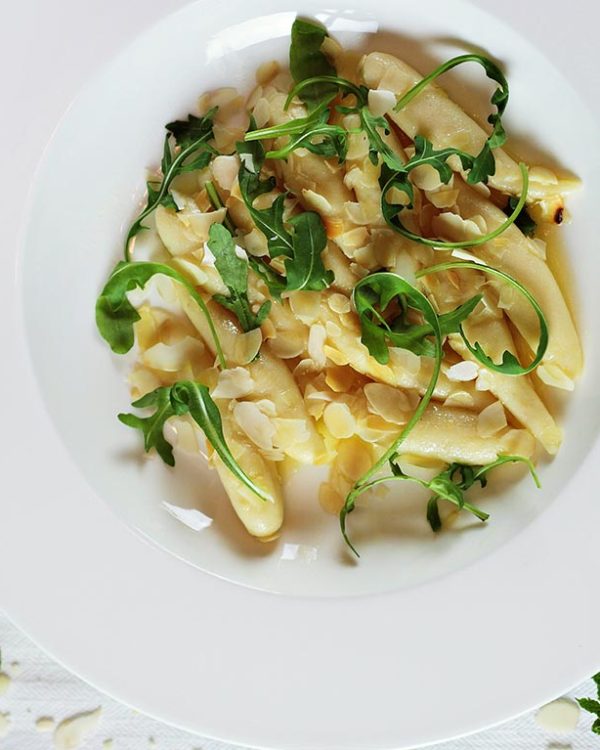
Soft Foods: Foods like yogurt, mashed potatoes, applesauce, and smoothies are gentle on the throat.
Hydration: Drink plenty of fluids, including water, herbal teas, and broths. Warm liquids can be soothing.
Fruits and Vegetables: Soft fruits (like bananas and melons) and cooked vegetables can provide vitamins and minerals without irritating the throat.
Protein Sources: Soft protein sources such as scrambled eggs, soft tofu, and well-cooked legumes can help maintain energy levels.
Cold Foods: Cold items like ice cream, popsicles, and chilled smoothies can numb the throat and reduce pain.
Foods to Avoid:
Spicy Foods: Spices can irritate the throat and worsen inflammation.
Acidic Foods: Citrus fruits and acidic drinks (like soda) can cause discomfort.
Hard or Crunchy Foods: Foods like chips and raw vegetables can scratch the throat and increase irritation.
Dairy: Some people find that dairy products can thicken mucus, so if that affects you, it might be best to limit them.
Caffeinated Drinks: Caffeine can lead to dehydration, so it’s wise to limit these during recovery.
Additional Tips:
Small, Frequent Meals: Eating smaller meals throughout the day can be easier than trying to consume large meals.
Rest: Ensure you get plenty of rest to help your body recover.
Mookgo is a dietitian specializing in hypertension (high blood pressure) focuses on dietary strategies to help manage and reduce blood pressure levels. Here are some key aspects of a hypertension dietitian’s role and recommendations:
Key Responsibilities
Assess Nutritional Needs: Evaluate patients’ dietary habits, medical history, and lifestyle to create personalized dietary plans.
Educate: Provide education on the impact of diet on blood pressure, helping patients understand how different foods and nutrients can affect their health.
Develop Meal Plans: Create tailored meal plans that align with dietary guidelines for managing hypertension.
Dietary Recommendations
DASH Diet: The Dietary Approaches to Stop Hypertension (DASH) diet is often recommended. It emphasizes:
- Fruits and vegetables
- Whole grains
- Lean proteins (like fish, poultry, beans)
- Low-fat dairy
- Nuts and seeds
- Limiting saturated fats, sugars, and cholesterol
Sodium Reduction: Aim to limit sodium intake to less than 2,300 mg per day (or 1,500 mg for those with higher blood pressure).
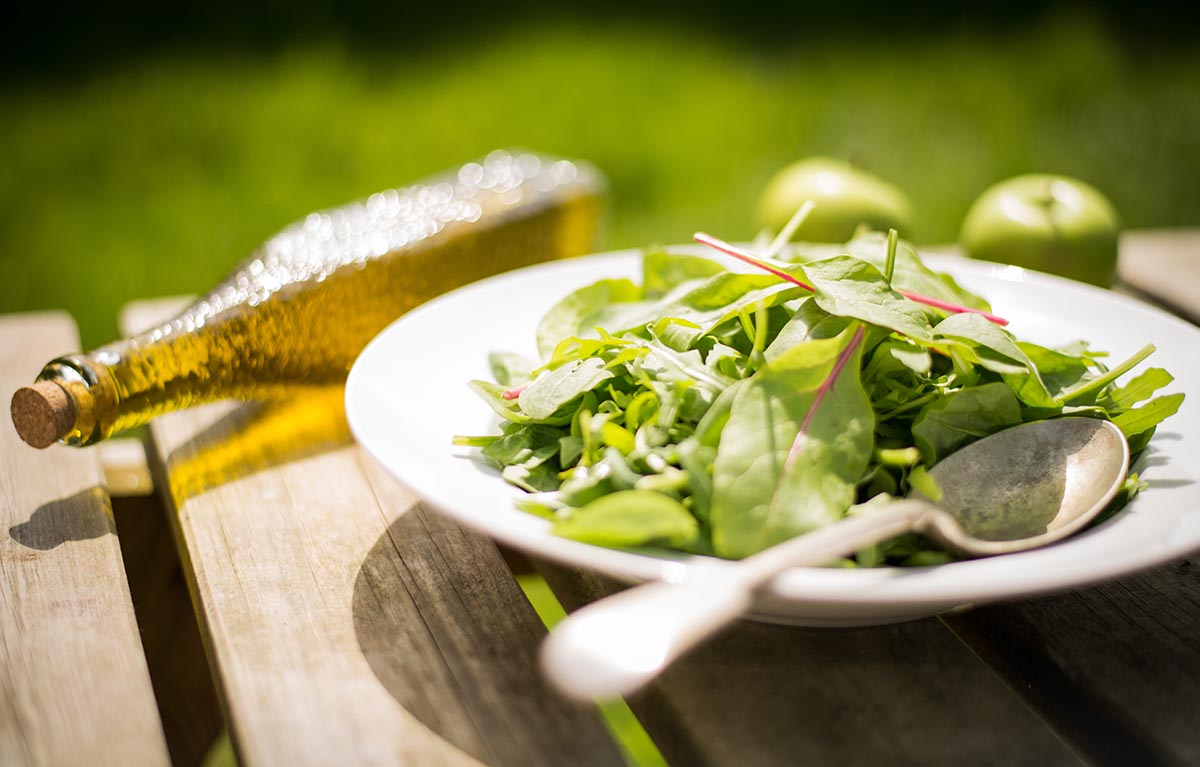
Healthy Fats: Encourage the intake of healthy fats from sources like olive oil, avocados, and nuts, while limiting trans fats and saturated fats.
Potassium-Rich Foods: Increase consumption of potassium-rich foods such as bananas, sweet potatoes, spinach, and oranges, which can help balance sodium levels.
Moderate Alcohol Intake: Advise on limiting alcohol consumption, as excessive drinking can raise blood pressure.
Regular Meal Patterns: Promote regular meals and healthy snacking to help maintain stable blood sugar levels and manage hunger.
Monitoring and Support
Follow-up: Regular follow-up appointments to monitor progress, adjust dietary plans, and provide ongoing support and motivation.
Collaboration: Work with other healthcare providers to ensure a comprehensive approach to managing hypertension.
If you’re looking for specific dietary plans or tips, let me know!